Afrofuturism: Imagining a Future Through a Black Lens
Introduction
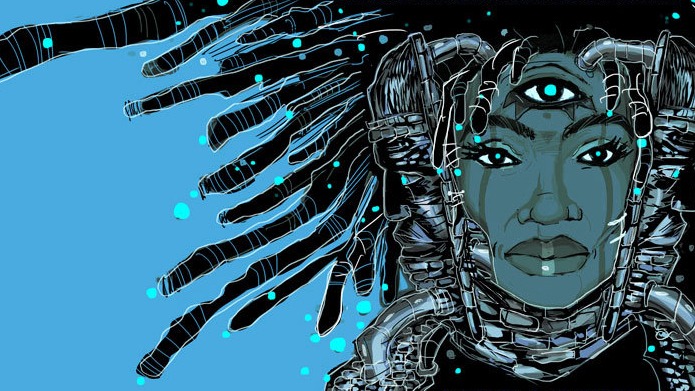
Afrofuturism, a powerful cultural and artistic movement, bridges a rich Black history with visions of
the future. This movement is not just about distant galaxies and advanced technologies; it's about
reclaiming identity, reimagining the past, and empowering Black voices. At its core, Afrofuturism
connects deeply with the lived experiences and cultural heritage of the African diaspora, reinventing
traditional narratives to shape a liberated future.
What is Afrofuturism?
Afrofuturism blends science fiction, culture, and history to explore the experiences of the African
diaspora. This cultural aesthetic emphasizes technology, self-determination, and the importance of
heritage. Afrofuturism uniquely reimagines present realities and envisions a future filled with infinite
possibilities for Black people around the world.
Origins and Historical Context
The roots of Afrofuturism run deep, drawing influence from African folklore, early science fiction,
and the struggles of the Black diaspora. Icons like Sun Ra, whose cosmic jazz and philosophical
musings in the 1950s and '60s laid the groundwork, alongside writers like Octavia Butler who fused
speculative fiction with profound socio-political commentary, stand as pillars of this movement.
Afrofuturism Explained: A Conversation with Curator Kevin delves into how these early pioneers set the stage for a movement that merges past, present, and future to carve out spaces for Black identity and resilience.
Key Elements of Afrofuturism
Afrofuturism employs several core themes and elements to build its engaging, transformative
narratives:
- Technology: It portrays futuristic tech that integrates African culture, bridging the gap between ancient traditions and modern innovation.
- Mythology: Drawing on rich African lore, it infuses futuristic stories with mythical elements, presenting alternative histories and speculative futures.
- Cultural Identity: At its heart, Afrofuturism is a celebration of Black culture, reclaiming narratives and challenging predominant paradigms.
Afrofuturism in Arts and Media
Afrofuturism is deeply interwoven with various art forms, creating rich visual and auditory
experiences that captivate and inspire. From literature to music and visual arts, this movement is
dynamic and diverse.

Influential Works and Artists
Influential icons within Afrofuturism include author Octavia Butler with her groundbreaking novels
that weave together science fiction and African-American spiritual traditions. Music legends like
George Clinton and his band Parliament-Funkadelic (P-Funk) created Afrofuturist mythology through
their music and stage personas, blending space-age themes with funk.
Visual artists like Jean-Michel Basquiat brought forward complex narratives about Black life and
identity through their Afrofuturist-inspired works. Their contributions continue to influence new
generations of Black creatives.
Contemporary Examples
Modern works like Marvel's "Black Panther" have brought Afrofuturism into mainstream culture.
The film's depiction of Wakanda, with its advanced technology and deep roots in African culture,
showcases Afrofuturism in action. Musicians like Janelle Monáe also continue to drive the
movement forward with albums such as "Dirty Computer," which explore themes of identity,
freedom, and technology.
Afrofuturism and Social Justice
Afrofuturism is more than an artistic movement; it's a tool for social justice. It challenges systemic
inequalities and creates spaces for Black empowerment and activism.
Reimagining Futures
By imagining alternative futures, Afrofuturism suggests ways to overcome present injustices. It asserts that Black people have the right to dream of better worlds and work towards making them a
reality. As discussed in “Afrofuturism and the Potential for Hope”, this movement injects hope and
possibility into often dystopian narratives.

Influence on Global Culture
The impact of Afrofuturism spans beyond the African diaspora, influencing global perspectives on
culture and identity. It fosters a more inclusive vision of the future, encouraging diverse
communities to imagine and create societies where everyone can thrive.
Conclusion
Afrofuturism continues to evolve, inspiring new generations to dream big and challenge the status
quo. By blending cultural heritage with futuristic visions, it provides a powerful platform for
exploring identity, empowerment, and justice. Through art, music, literature, and more,
Afrofuturism envisions a world where Black people are not just participants but leaders in crafting a
liberated, equitable future. As we carry these narratives forward, the ethos of Afrofuturism will
undoubtedly remain a beacon of hope and creativity for many years to come.
For more information, you can explore the detailed explanations and contributions by notable
Afrofuturist creators on Smithsonian’s website.