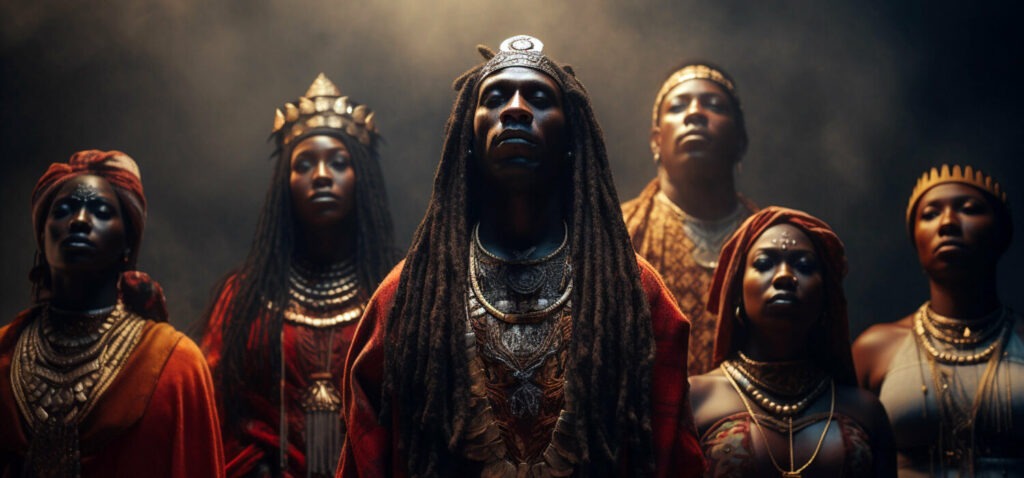
Exploring Yoruba Mythology and Folklore
Discovering the depths of culture often begins with understanding its stories and beliefs. Yoruba mythology and folklore offer a fascinating view into the beliefs and traditions of the Yoruba people, one of Africa’s largest ethnic groups. With a pantheon of gods, mythical tales, and vibrant cultural expressions, Yoruba mythology provides insight into the spiritual and social life that has shaped this community for centuries.
The Pantheon of Yoruba Deities
Olodumare: The Supreme Being
In the vast cosmos of Yoruba mythology, Olodumare reigns supreme. Recognized as the creator and sustainer of the universe, Olodumare is not often directly worshipped but is revered for holding ultimate authority. Unlike many gods in other religions, Olodumare’s presence is felt more in the order of the universe rather than in direct intervention, similar to a watchmaker ensuring every cog ticks perfectly.
Sango: The God of Thunder
Vivid, striking, and powerful—Sango, the god of thunder, embodies the raw energy of the storm. Revered for his fierce temperament and strength, Sango is associated with lightning and fire. His tales often speak of triumph and tumult, reflecting the volatile balance between destruction and renewal. Stories of Sango highlight the Yoruba understanding of power’s dual nature, as detailed on Asiko Artist.
Yemoja: Goddess of Rivers
The soothing balm to Sango’s tempest, Yemoja is the goddess of rivers and a symbol of motherhood and nurturing. Known for her purity and compassion, Yemoja presides over water, reflecting life’s constant flow and connection. Her role in fertility underscores her importance in agrarian societies that rely heavily on the life-giving properties of water.
Esu: The Trickster and Messenger
Esu stands at the crossroads of trickery and wisdom. Known for his cunning and ability to blur the line between right and wrong, he acts as a divine messenger and mediator. Like walking a tightrope, Esu balances the moral and amoral, reminding us of the complexity of human nature. His stories are both entertaining and profound, illustrating the intricate dance between intention and outcome.
Ogun: The Yoruba God of Iron and War
A craftsman at heart, Ogun is the deity of iron and war. His mastery over metal equates to a mastery over change and progress. Ogun’s influence in creating tools and weapons signifies human ingenuity in shaping destiny. His story is a testament to innovation and transformation, elements essential for the survival and advancement of any civilization.
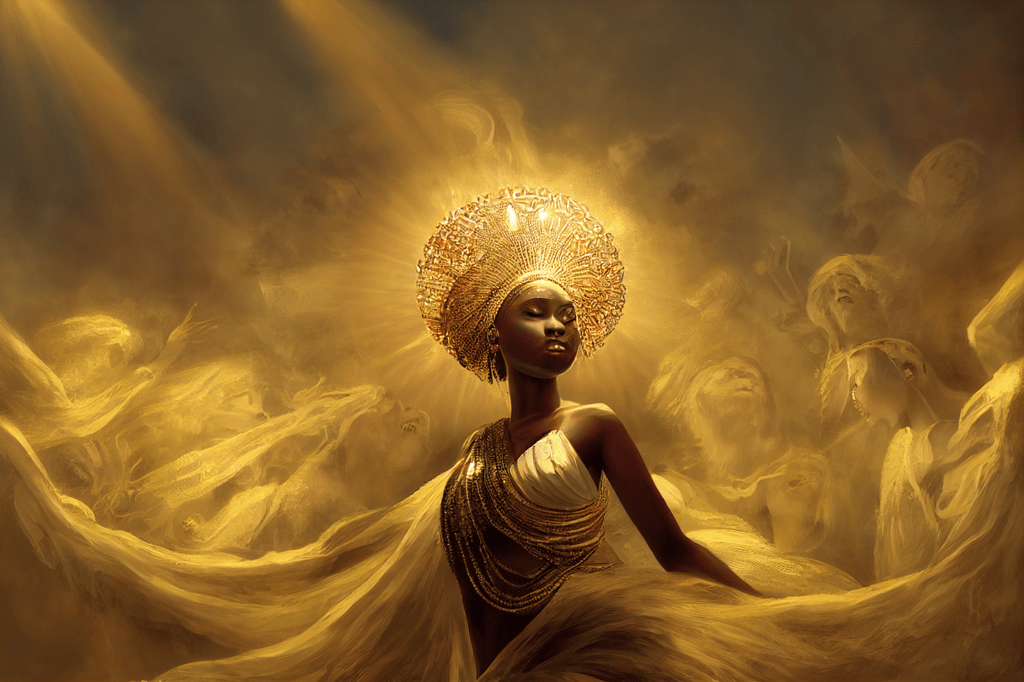
Mythical Stories and Their Significance
The Creation Myth
The Yoruba creation myth offers a window into the cosmic dance that led to the world’s formation. In this tale, Olodumare sends Orunmila, his trusted deity, to sculpt the earth from chaos using a chain of knowledge and wisdom. This story not only underscores the harmony between divine will and earthly existence but also reflects the Yoruba emphasis on balance and order, a narrative beautifully captured in the Yoruba Creation Myth.
The Tale of the Tortoise
A cunning creature, the tortoise in Yoruba folklore often teaches moral lessons through wit and trickery. In one popular tale, the tortoise outsmarts other animals by convincing them to share resources, only to keep them for himself. These stories, rich in allegory, mirror human vices and virtues, encouraging reflection on one’s actions and the broader implications for community and ethics.
The Story of Orunmila and Destiny
Orunmila, the deity of wisdom and divination, plays a crucial role in understanding destiny within Yoruba philosophy. His insights help guide individuals through life’s unpredictability, offering a sense of control over fate and free will. This narrative reminds us of life’s unpredictability and the perpetual guidance needed to navigate the labyrinth of existence.
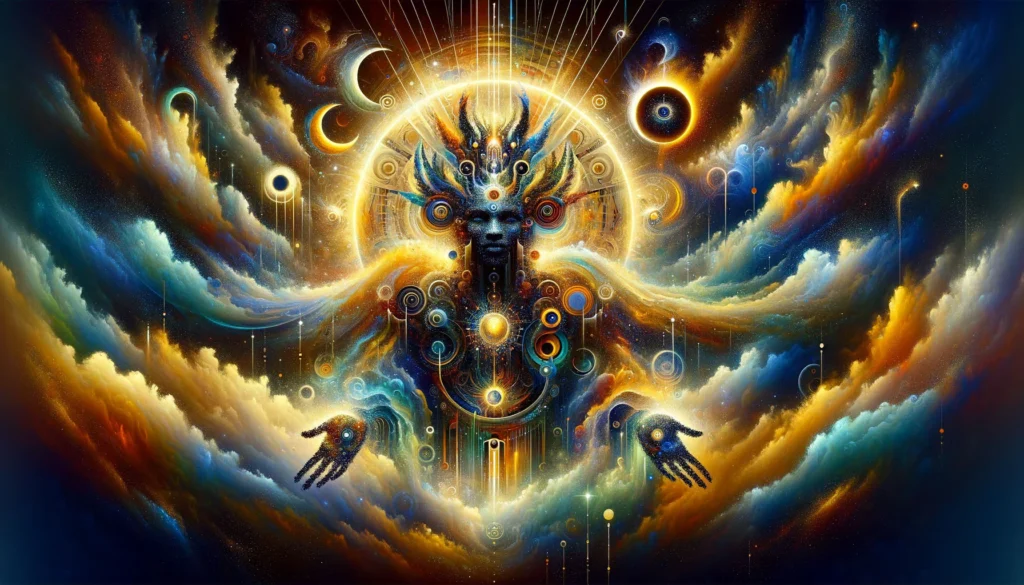
Cultural Expressions of Yoruba Mythology
Artistic Representations
Yoruba mythology finds expression in a plethora of artistic forms, from traditional sculptures and masks to contemporary paintings and digital media. Artists often depict deities and myths, capturing the essence of their stories and preserving them for future generations. Art serves as both a storytelling medium and a cultural record, reflecting the dynamic interaction between myth and daily life. Discover more about these artistic endeavors in the illuminating work by Àsìkò, an artist exploring Yoruba culture through mythology.
Music and Dance
Rhythmic beats and graceful movements bring Yoruba myths to life through music and dance. These cultural expressions are not mere performances but acts of reverence and remembrance. Each dance step and drumbeat honors the gods and reenacts their stories, creating a dynamic link between past traditions and present celebrations.
Festivals and Rituals
Festivals are vibrant, living embodiments of Yoruba mythology. Events like the Osun-Osogbo Festival draw thousands to honor the goddess Osun, highlighting the spiritual and communal connections that continue to thrive. These celebrations are more than traditions—they’re a collective heartbeat that pulses with the rhythms of history and spirituality.
Conclusion
Yoruba mythology is more than ancient stories—it’s a living culture that continues to influence art, identity, and beliefs. In an ever-changing world, these myths and legends remain a pillar of cultural heritage, preserving the essence of what it means to be Yoruba. By embracing and understanding these traditions, we honor not only the past but also the vibrant cultural tapestry that continues to unfold today.